Children learn best when they are curious, active and having fun. Games, crafts, stories and short films can teach counting, reading, science and social skills without feeling like homework. For parents and teachers, the challenge is not finding activities but choosing the ones that match a child's age, interests and energy, and doing it in a way that fits a busy week.
Why Play Is the Best Way to Learn
Young children make sense of the world through play. When they build a tower, sort colored blocks or act out a story, they are practicing planning, language, coordination and problem solving. Research in early education consistently shows that play-based learning supports memory, attention and emotional growth.
This does not mean every activity needs a worksheet. Open-ended play, with a few simple materials and a little guidance from an adult, often teaches more than a tightly structured lesson.
Choosing Activities by Age
Toddlers enjoy sensory play such as water tables, play dough and simple puzzles. Preschoolers love pretend play, songs, drawing and early letter games. Primary school children can handle board games, science experiments, building projects and reading challenges.
Match the activity to the child, not to the box, because a game that frustrates a young learner will be abandoned, while a slightly easier one builds confidence. Watch how your child reacts and adjust.
Easy Crafts With Everyday Materials
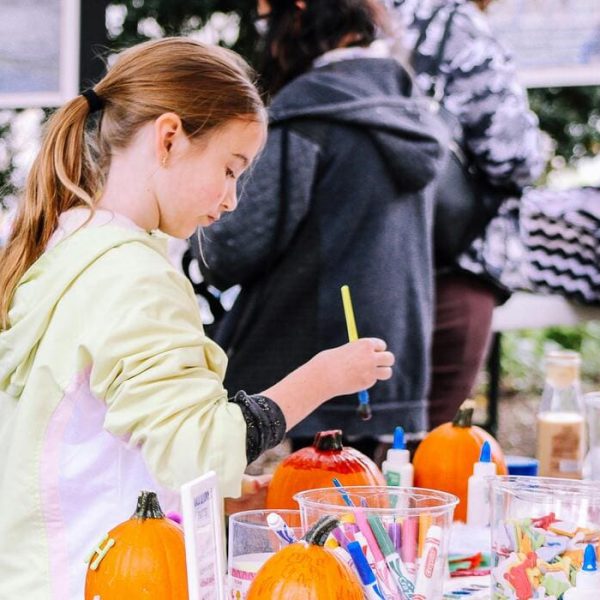
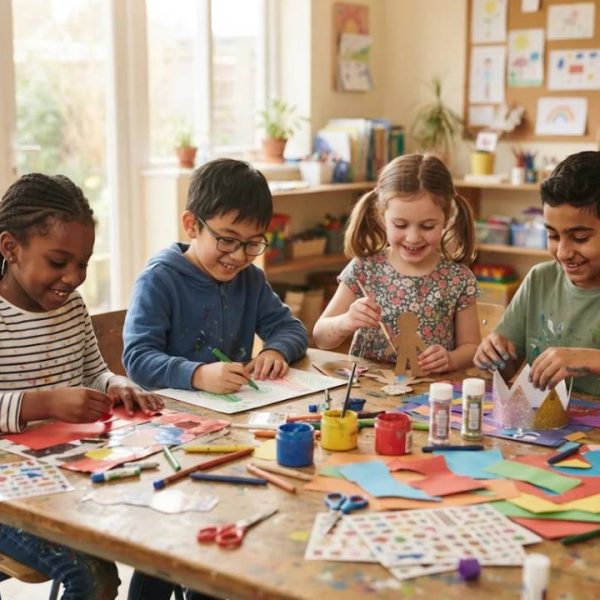
Paper plates, cardboard tubes, buttons, leaves and old magazines can become masks, puppets, animals and collages. Crafts develop fine motor skills, patience and creativity, and they give children something to show proudly at the end.
Set up a craft box and let children help choose what goes in it. Cleaning up together is part of the lesson and keeps the activity manageable for adults.
Educational Games at Home
Card games teach counting and strategy, word games build spelling, and cooperative board games encourage turn taking. Digital games can be useful too, as long as they are age appropriate, free from aggressive advertising and used for limited periods.
Check reviews, try games yourself first and sit with younger children while they play. Conversation about what they are doing turns screen time into learning time.
Movies and Stories That Teach
A good family film can spark discussion about friendship, courage, nature and different cultures. Watch together, pause for questions and ask what the characters might do next. Books and audio stories add vocabulary and imagination.
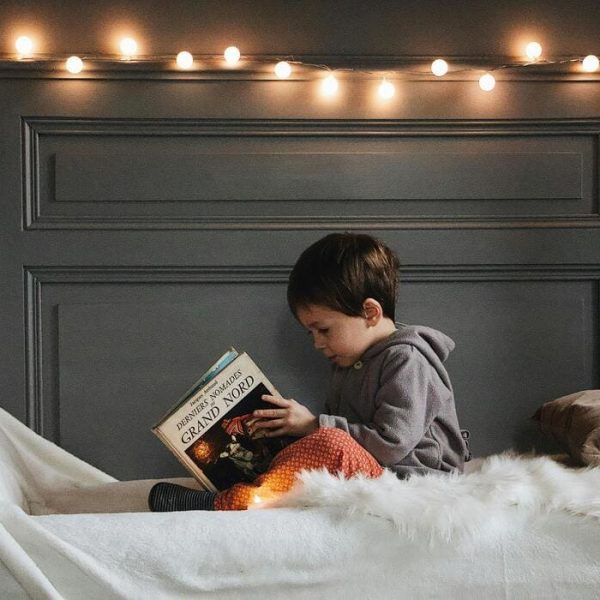
Libraries are a free source of picture books, audiobooks and storytelling sessions. Reading aloud every day, even for ten minutes, is one of the most effective habits a family can build.
Learning Through Nature and Movement
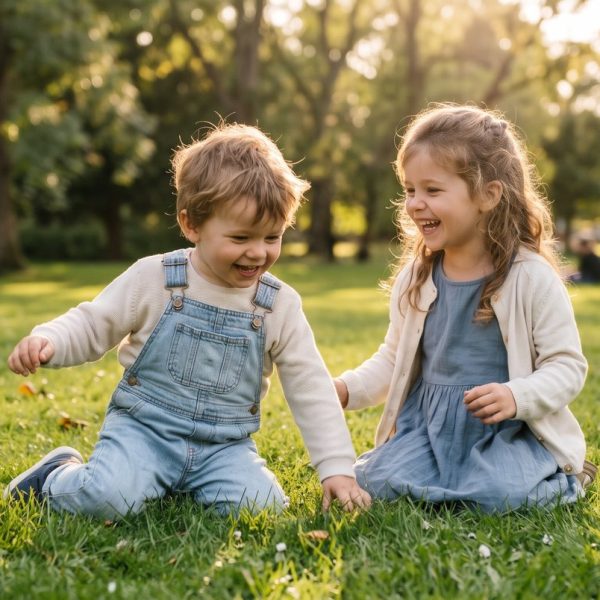
A walk in a park can become a scavenger hunt for leaves, insects and shapes. Gardening teaches patience and science, and simple sports build coordination and teamwork. Fresh air also helps children settle and concentrate afterward.
Keep a notebook of what you see and let children draw or write their observations. This links outdoor play with early literacy.
Introducing Other Languages
Children pick up sounds and vocabulary quickly. Songs, games, picture dictionaries and short videos introduce new words in a playful way. Families with roots in several countries can keep home languages alive with stories and conversation.
Parents who plan a move to Scandinavia sometimes use english to swedish translation for school forms and family documents, and our overview of translation for school and visa files explains what offices commonly request when children start at a new school abroad.
Building a Weekly Routine
Children feel secure when they know what to expect. Plan a simple weekly rhythm with reading time, one craft, one active outing and one family game. Leave room for free play and rest.
Visual calendars help younger children understand the plan, and older ones can help choose the activities.
Learning Support for Children With Different Needs
Some children need extra time, visual aids or sensory-friendly spaces. Break activities into small steps, praise effort and offer choices. Talk to teachers and specialists if you want ideas that suit your child.
The UNICEF Parenting site gives practical, research-based advice for parents on development, play and wellbeing at every age.
Safety and Supervision
Check that materials are non-toxic and appropriate for the child's age. Keep small parts away from toddlers, supervise scissors and glue, and set rules for online activity. Talk openly about what to do if something online makes a child uncomfortable.
Keep emergency numbers and basic first aid supplies at hand.
Keeping Children Motivated
Praise effort rather than results and celebrate small steps. Display artwork, keep a reading chart and let children teach you something they have learned. Motivation grows when children feel that their ideas matter.
Avoid comparing siblings or classmates. Every child learns at their own pace.
Working With Teachers and Schools
Share what works at home and ask what is happening in class. Many schools offer reading lists, home activity packs and workshops for parents. Consistency between home and school helps children feel supported.
If your child struggles, ask early for help. Early support is more effective than waiting for problems to grow.
Rainy Day and Holiday Ideas
Build a blanket fort, bake simple biscuits, stage a puppet show or create a treasure hunt indoors. Holidays are a good time for projects that need more than an hour, such as building a model or writing a family newspaper.
Keep a list of favorite ideas on the fridge so you never run out on a gray afternoon.
Common Mistakes to Avoid
Typical mistakes include over-scheduling, pushing academic skills too early, relying on screens as a babysitter and setting activities that are too difficult. Another is rescuing children from every challenge.
Let them struggle a little. Persistence is a skill that grows through practice.
Final Thoughts
Fun learning is built from simple ingredients: time, attention, curiosity and a few good materials. Pick activities that suit your child, keep them short and celebrate effort.
The habits you build now will help your child enjoy learning for years to come.
Science Experiments Kids Can Try Safely
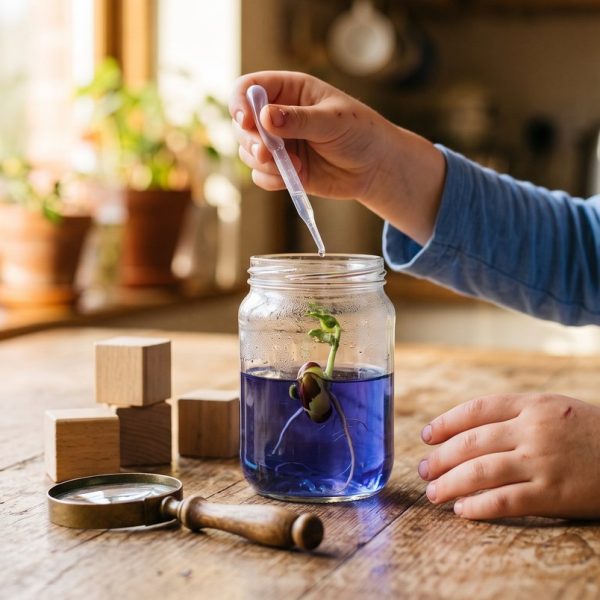
Simple experiments teach curiosity. Mix baking soda and vinegar to see a gentle reaction, grow beans in a jar to watch roots appear or build a boat from foil and test how many coins it can hold. Ask children to predict what will happen, observe carefully and explain the result.
Always supervise, use safe household materials and wash hands afterward. Keep a notebook of drawings and observations to link play with early scientific thinking.
Storytelling, Drama and Music
Acting out a favorite story, making up songs or building a puppet theater strengthens language and confidence. Children learn rhythm, vocabulary and empathy as they take on different roles.
Record a short performance and watch it together. Seeing themselves on screen is a big motivator for many children.
Learning With Cooking and Everyday Chores
Measuring ingredients teaches fractions, following a recipe builds reading skills and setting the table practices counting. Give children real jobs that match their ability, and thank them for helping.
Everyday routines become meaningful lessons when adults explain what they are doing and why.