Parents and carers do not need to be teachers to help children learn. Small, steady habits at home make a big difference to confidence and curiosity. This guide shares simple ways to support learning through routines, play, reading and everyday conversations.
Create a Simple Routine
Children feel secure when they know what comes next. Set a regular time for homework, play and rest. A predictable rhythm reduces arguments and helps learning feel like a normal part of the day.
Make a Calm Study Spot
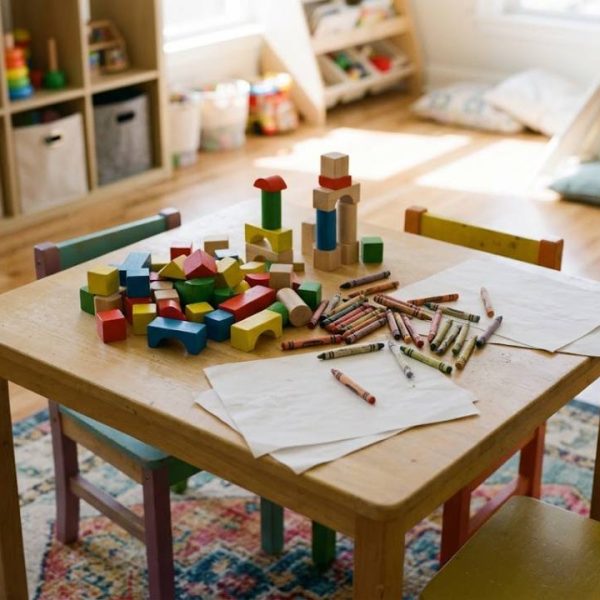
A small table with good light and few distractions is enough. Keep pencils, paper and books within reach. Let your child decorate the space so it feels personal and inviting.
Read Together Every Day
Reading aloud builds vocabulary, listening skills and imagination. Even ten minutes helps. Let your child choose the book and talk about the pictures and characters as you go.
Ask Open Questions
Instead of asking whether the day was good, ask what was the funniest thing that happened or what they learned. Open questions invite stories and show that you value their thoughts.
Those open questions do more than start a conversation: the answers show a parent what the child actually understood that day, which is the same check teachers make in class. Practical formative assessment examples show how simple prompts — asking a child to explain something back, or to show one thing they learned — reveal gaps while there is still time to help. Used at home, a short chat after school becomes a gentle check that guides what to practise next.
Turn Chores Into Lessons
Cooking teaches measuring and fractions, while shopping practices counting and budgeting. Everyday tasks become learning moments without any special equipment.
Use Trusted Parenting Resources
Organizations such as UNICEF share practical ideas for supporting children at different ages. Reading a few tips can spark new routines that fit your family.
Play Learning Games
Board games, puzzles and card games develop patience, logic and teamwork. Choose games that match your child's age and let them win sometimes. Fun builds positive feelings about learning.
Encourage Curiosity
When your child asks why, welcome the question. If you do not know the answer, look it up together. Showing that learning is lifelong makes a powerful example.
Praise Effort, Not Only Results
Celebrate hard work, patience and improvement. Children who feel supported keep trying after mistakes. Specific praise such as you stayed with that puzzle works better than general compliments.
Limit Screen Time Thoughtfully
Screens can teach, but too much crowds out play, sleep and conversation. Set clear times and choose quality content. Watch together sometimes and talk about what you see.
Support Language Growth
Chat, sing and tell stories in the language you speak at home. Children who hear rich language develop stronger reading skills. Families who speak several languages give their children a real advantage.
Help Families Who Use Another Language
Schools often send notices that parents need to understand. Services such as english to dutch translation help families receive reports, permission slips and guides in a language they read comfortably.
Show Possible Futures
Talk about jobs, including careers that use languages. A translator career guide can open a child's eyes to professions they may not have imagined and encourage them to value study.
Keep in Touch With Teachers
Short, friendly messages help you understand how your child is doing. Ask what you can practice at home. Teachers and parents working together make children feel supported.
Supporting a child's learning at home, as the article explains, depends partly on having a corner of the house that is genuinely set up for it. That is a decorating problem as much as an educational one, and it is the kind families rarely plan for before moving in. Practical home decorating tips are most useful at exactly that point, when the furniture has arrived and nobody has decided yet what each space is for.
Build Good Sleep Habits
Rested children learn better. Keep bedtimes regular and screens off before sleep. A calm story or quiet conversation prepares the mind for rest.
Offer Healthy Snacks and Water
Hungry or thirsty children struggle to concentrate. Keep fruit, nuts or yogurt available and offer water through the day. Simple nourishment supports attention.
Visit the Library
Libraries offer books, story times and quiet spaces. Make regular visits an outing. Let children choose and carry their own books.
Explore the Outdoors
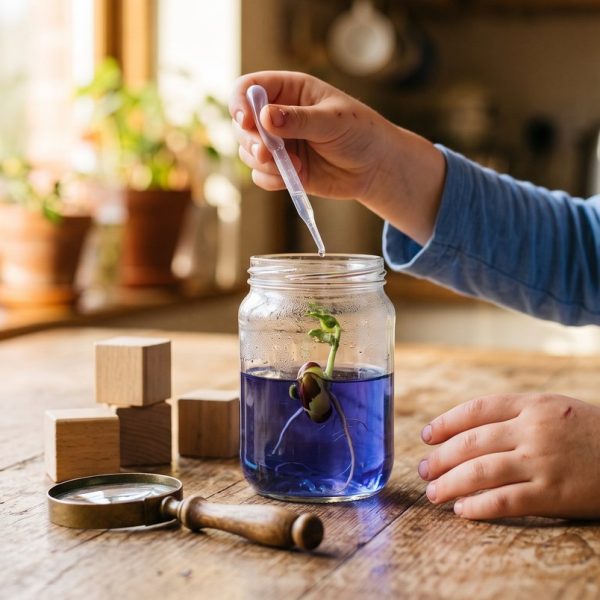
Parks, gardens and walks teach science, observation and movement. Collect leaves, watch insects and ask questions about the weather. Nature is a free classroom.
Teach Organization
Show children how to pack a bag, keep a simple planner and tidy their space. These skills lower stress and help them take responsibility for their own work.
Handle Frustration Gently
When homework is hard, take a break and return calmly. Break the task into smaller steps. Showing patience teaches resilience.
Encourage Creativity
Drawing, building, music and storytelling develop thinking in different ways. Provide materials and time without rules. Display their work proudly.
Be a Reading Role Model
Children copy what adults do. Let them see you reading, writing and learning something new. Your example speaks louder than instructions.
Respect Individual Differences
Every child learns in their own way and pace. Avoid comparing siblings or classmates. Focus on progress and strengths.
Celebrate Small Wins
Finished a book, learned a new word or solved a hard sum? Mark the moment with a hug or a family cheer. Positive memories keep motivation alive.
Keep Learning Joyful
Humor, games and shared moments make education feel warm. The goal is a child who enjoys discovering the world, not one who fears mistakes.
Final Thoughts
Supporting learning at home is about warmth, routine and curiosity. Read together, ask questions, praise effort and stay in touch with teachers. Your steady encouragement helps your child grow into a confident learner.